Ask most organizations where their photographs from five years ago are, and the honest answer is that it depends on who you ask.
The images exist somewhere. On a former communications manager's laptop. In a shared drive folder named final, final two, and use these. In a personal cloud account that closed when someone changed jobs. In an email with a download link that expired long ago. Each felt like a reasonable place to keep files at the time. Together, they describe an archive that belongs to no one.
The archive walks out the door
Nonprofits and institutions run on dedicated people, and dedicated people move on. When they do, the files they managed often go with them, not through bad intent, but because nobody ever decided where the files were supposed to live. The organization keeps its mission and loses the record of carrying it out.
This is not a technology problem. Storage is inexpensive and widely available. It is a decision problem. Someone has to decide that the organization's visual history is an institutional asset and treat it accordingly.
Your photographs are an institutional asset. They deserve the same care as your financial records and your board minutes.
What a durable archive looks like
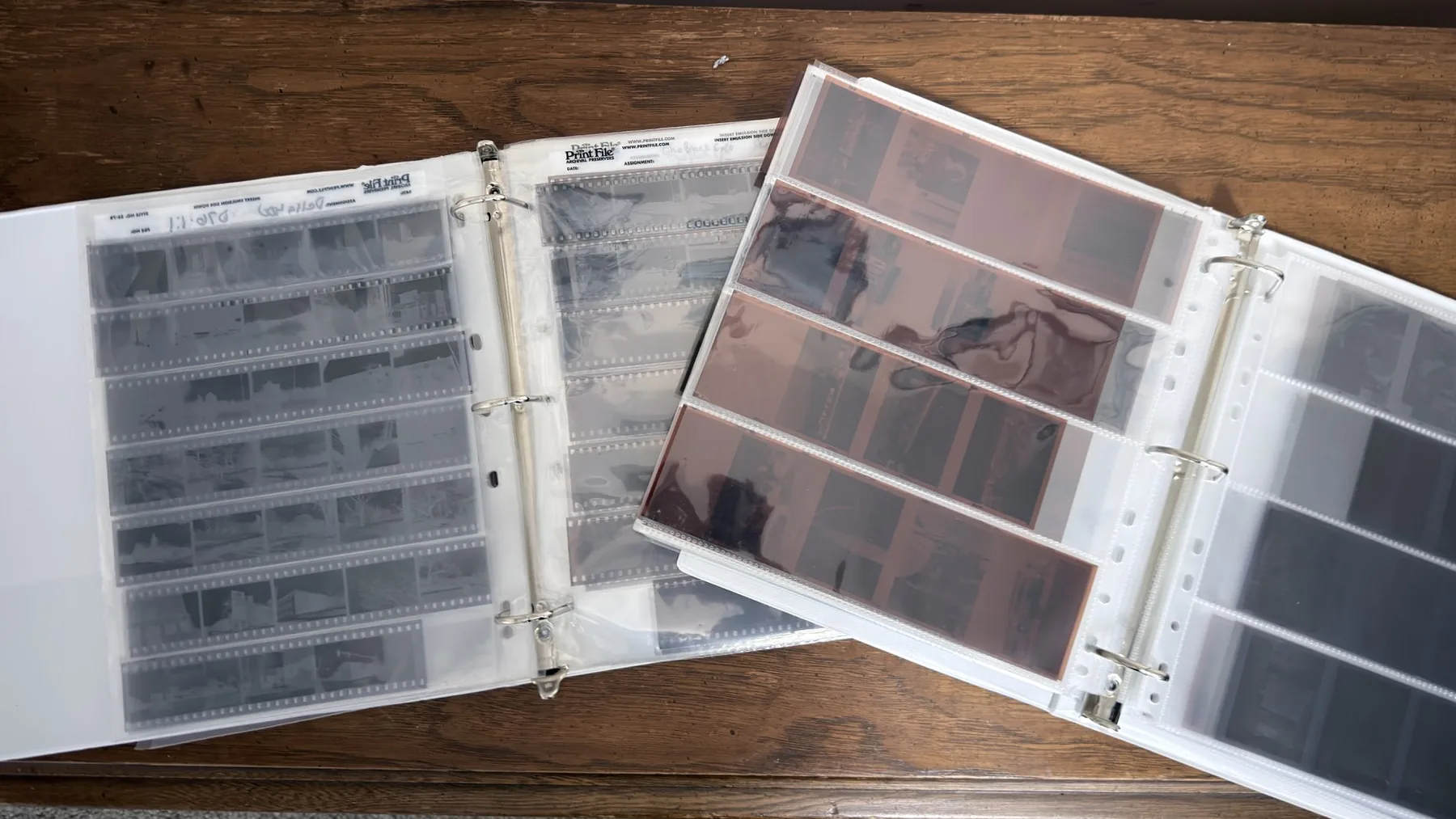
It does not need to be elaborate. One location, owned by the organization rather than an individual, with access that survives staff changes. A simple folder structure by year and event. Original full-resolution files, not compressed copies pulled from social media. A second copy somewhere else, because one copy of anything is a single point of failure. And for the handful of images that carry real weight, a print, which needs no software, no password, and no subscription to remain readable. That is a large part of why prints still matter.
Identification belongs in the archive too. Files without names, dates, and occasions lose most of their value, which I covered in Name Them Now.
Know what you hold
Holding the files and holding the rights are two different things, and organizations benefit from knowing the difference. Under my usage terms, I retain copyright to the images I create, and clients receive a non-exclusive license to use the delivered images for their own self-promotional purposes. Broader uses, such as third-party publication, are agreed to in writing. The full terms are on my usage disclosure page, so nothing is left to assumption.
Understanding those terms is part of stewarding an archive well. The license belongs to the organization, not to whoever happened to download the gallery.
Every organization says its history matters. The test is simple: if the person who manages your photographs left tomorrow, would the record stay?
Dwain Thomas