Most organizations photograph for this month. The newsletter, the social post, the slide for the next board meeting. Those needs are real. They are also the shortest horizon your images will ever serve.
The photographs that end up mattering most are rarely the ones made for immediate use. They are the ones someone goes looking for years later: for the twenty-fifth anniversary, the capital campaign, the grant narrative that has to show a decade of impact, the program for a founder's memorial service. By then the moment is gone. It was either documented properly or it was not.
What organizations find when they look back
When an organization reaches back into its own history, the archive is usually thinner than anyone expected. A folder of phone images with no names attached. A hard drive that belonged to a staff member who left years ago. A handful of event photographs where the speaker is mid-sentence and the wide shot of the room was never made. The work happened. The record of it did not survive in a form anyone can use.
This is the difference between coverage and documentation. Coverage answers one question: did we get photos? Documentation answers a harder one: will these images still tell the truth about who we were when nobody in the room is left to explain them?
Your organization's history is being made at every event. Whether it is being recorded is a separate decision.
Working on two timelines at once
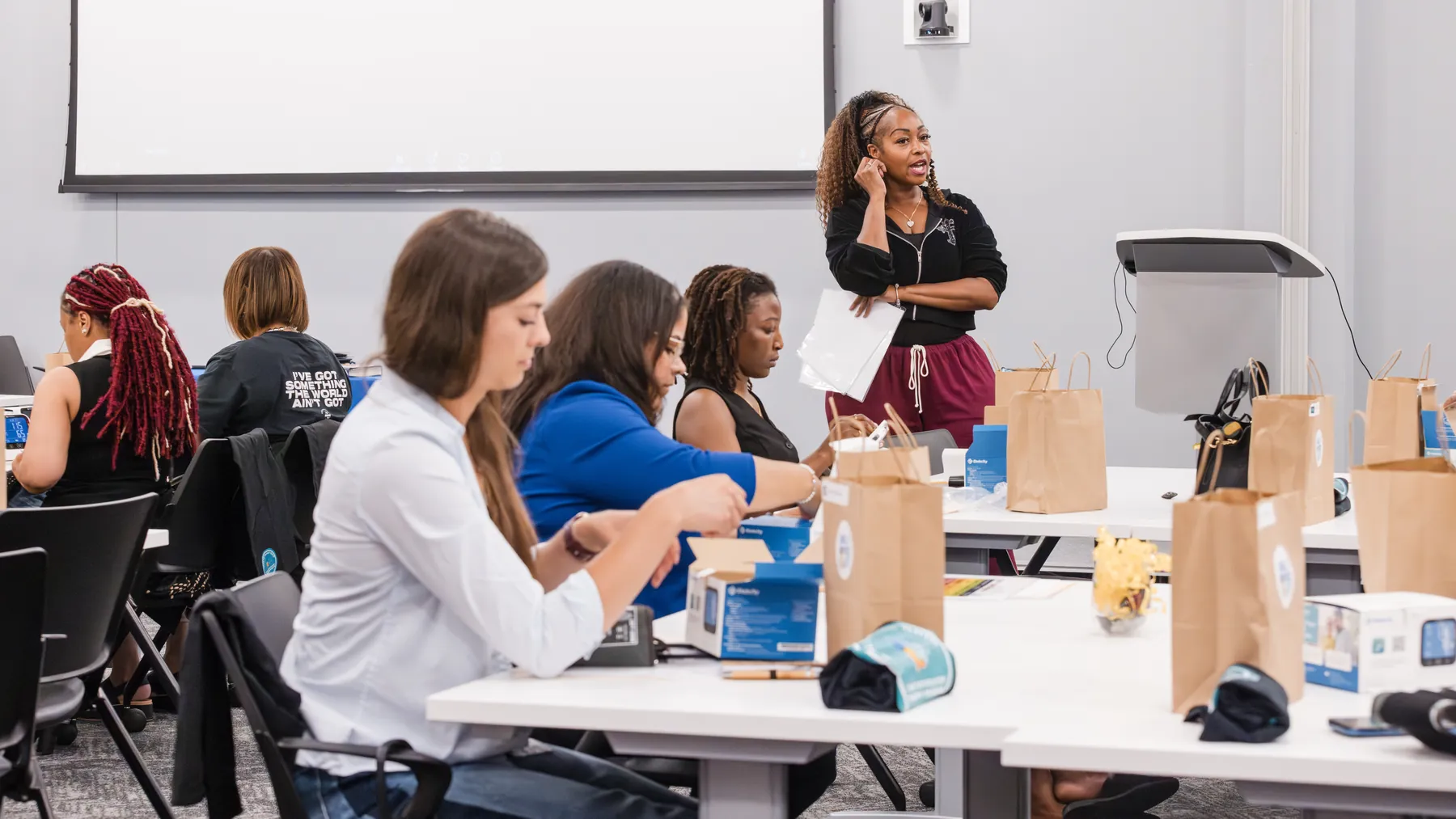
Most of my work in Columbus is with nonprofits, universities, and civic organizations, and every time I document one, I am working on two timelines. The first is the immediate need, the images you will use next week. The second is the archive. That means photographing the longtime volunteer with the same care as the keynote speaker. It means making the wide frame that shows the full room, because attendance is evidence. It means the building, the signage, the registration table, the conversation after the program when the formality drops. Those frames rarely make the social post. They are the ones that end up in the anniversary book.
I learned this on film. When I started in 1997, every frame cost money, so each one had to count, and the negatives went into sleeves and binders. Twenty-eight years later, those negatives are still readable. That discipline is why I think about where an image will be in ten years before I think about where it will be posted.
What it asks of your organization
None of this requires a larger budget. It requires a few decisions made in advance. Before an event, I ask for the run of show and the names of the people who matter most to your story: founders, board members, honorees, the staff who have been there longest. Those people get documented deliberately, not by chance. I wrote more about that process in how I prepare for an event.
After delivery, the files need a permanent home that belongs to the organization, not to whoever happens to run communications this year. Staff turns over. Personal accounts close. An archive should outlast both. And for the images that carry real weight, print them. A print in a flat file has outlived more than one cloud storage plan, which is part of why prints still matter.
Consistency matters too. An organization that works with the same documentarian over several years ends up with a record that holds together: one standard, one eye, a visual history that reads as a single story instead of a dozen unrelated ones. That continuity is the core of how I approach working with institutions.
Your organization will have an anniversary, a leadership transition, a moment when someone needs to show where all of this came from. The images you need for that day are being made, or missed, right now.
Dwain Thomas